About us
The international research centre Luiss Data Lab, directed by Livia De Giovanni and Gianni Riotta, studies and experiments with how data, artificial intelligence and the social sciences can concretely improve the quality of information in today’s digital ecosystem.
Data Lab operates at the intersection of computer science, statistical mathematics, data science, journalism and the socio-economic sciences, combining quantitative and qualitative methods to analyse complex phenomena such as disinformation, algorithmic bias, reputation, polarisation and media transformations.
Its approach combines statistics, machine learning, social network analysis, centrality analysis, sentiment analysis, topic modelling, graph theory, clustering and community detection, with the aim of mapping online communities, narrative propagation networks, influence nodes, and dynamics of toxicity or information manipulation.
In recent years, Luiss Data Lab has organised lectures, workshops, seminars and meetings with internationally renowned guests such as Paolo Gentiloni, former EU Commissioner for the Economy; Michael McGrath, European Commissioner; Vittoria Colizza, Director of Inserm and former adviser to French President Emmanuel Macron; Igo Krebs, Director of the MIT AI Lab; Oleksandra Drik, Nobel Peace Prize laureate; Admiral Cavo Dragone, Chair of the NATO Military Committee; Emine Dzhaparova, First Deputy Minister of Foreign Affairs of Ukraine; General Stefano Mannino, President of the Italian Centre for Higher Defence Studies; Olga Morga, Customer Engineering; Alberto Barachini, Undersecretary of State for Information and Publishing; Diego Ciulli, Policy and Government Affairs at Google; Alessandro Presta, Software Engineering at Google; Marco Tronchetti Provera, CEO of Pirelli; Hermínia Saraiva, Communication Officer; Francesco Marconi of Columbia University; Sinead O'Sullivan, Economist at Harvard Business School’s Institute for Strategy and Competitiveness; Mariya Gabriel, former EU Commissioner for Innovation, Research and Culture; Guido Crosetto, Minister of Defence; Anna Maria Bernini, Minister of University and Research; and many others.
Data Lab maintains ongoing collaborations with the Ministry of Foreign Affairs, the Ministry of Defence, the Ministry of Education and the Ministry of the Interior, and has established partnerships with Harvard University, the University of Cambridge, Columbia University, the University of Lugano, Universidad Miguel Hernández, the Ukrainian Catholic University in Lviv, the University of Tartu, the University of Liverpool, Ca’ Foscari University, Princeton University, the Italian Army Joint Defence Staff, as well as with foreign diplomatic missions in Italy, including those of Ukraine, France, Germany, Estonia, Algeria, the UK, Canada, Switzerland, the USA, Poland, Lithuania and others. It also collaborates with Ipsos Italia, Italian and European StratCom teams, Google, IGF, InfoCamere, Istat, Wikimedia, Meta, CEI, Bellingcat, the European Federation of Journalists, Balkan Free Media Initiative and Reporters Without Borders.
Since 2023, through the IDMO project, Data Lab has been a founding member of the FIMI-ISAC think tank with the Atlantic Council, an international collaborative structure established to counter information manipulation and foreign interference in the digital public sphere, including coordinated disinformation, influence campaigns, hybrid operations, the strategic use of bots, media impersonation, propaganda networks and related threats.
Over the years, Luiss Data Lab has consolidated a strong national and international profile through participation in competitive European projects and the development of multi-stakeholder partnerships.
Among its most significant initiatives is IDMO – Italian Digital Media Observatory, coordinated by Luiss Data Lab within the European network EDMO – European Digital Media Observatory, established to support an independent community committed to countering online disinformation through collaboration among fact-checkers, researchers, media literacy experts, media organisations and other strategic stakeholders.
With partners including RAI, TIM, Pagella Politica, NewsGuard and T6 Ecosystems, IDMO is now one of Italy’s leading laboratories for research, monitoring, fact-checking and media literacy.
This initiative is complemented by LATIF, funded by the European Media and Information Fund, which led to the development of a platform for the semantic analysis of texts and the identification and mitigation of cognitive biases, supporting the work of fact-checkers and journalists.
Another key initiative is Bodoni, an artificial intelligence platform developed together with FIEG, Geckosoft, T6 Ecosystems, the Luiss School of Journalism and IDMO, with the support of Google.org. The platform is designed to support journalists and newsrooms in research, verification and news production through an architecture integrating data collection, AI processing and a user interface, based on LLMs, RAG, semantic models, thematic clustering and news vector space.
As of December 2025, the project had already analysed 286,000 news items, identified 1.5 million claims, generated 351,000 topics and developed more than 100,000 lines of code, with the goal of reaching 10,000 journalists across more than 400 Italian newsrooms.
These projects are complemented by two Horizon 2020 projects won by the Centre: SOMA – Social Observatory for Disinformation and Social Media Analysis, which contributed to the development of tools for fact-checking, source transparency and combating disinformation; and MediaFutures, a European hub dedicated to data-driven innovation across the media value chain, with the aim of supporting new models for the production, analysis and dissemination of information.
On the technological front, Data Lab develops tools and methodologies combining AI, advanced statistical analysis, semantic analysis, human-computer interaction and fact-checking support systems, with a particular focus on transparency, verifiability and the responsible use of technology. This work includes both the platforms developed within IDMO and LATIF and experiments carried out with technology partners such as Sony, Google, TIM and Elettronica, including in the fields of decentralised certification and the traceability of information content. The objective is clear: to put technology at the service of a more reliable, inclusive and democratically resilient information ecosystem.
The Centre, also through the coordination of IDMO, has strengthened its impact in the field of media literacy. In 2025, initiatives aimed at schools, teachers and digital citizens reached more than 70,000 participants; over 42,000 studentswere reached in Italy and in Italian schools abroad; and the Train the Trainer programme, implemented with TIM, generated more than 72,000 training sessions and involved 23,906 teachers and students.
A particularly significant contribution to the dissemination of media literacy content came from the “Pillole contro la disinformazione” series produced by partner RAI, which recorded more than one billion contacts, substantially expanding the reach of awareness-raising initiatives.
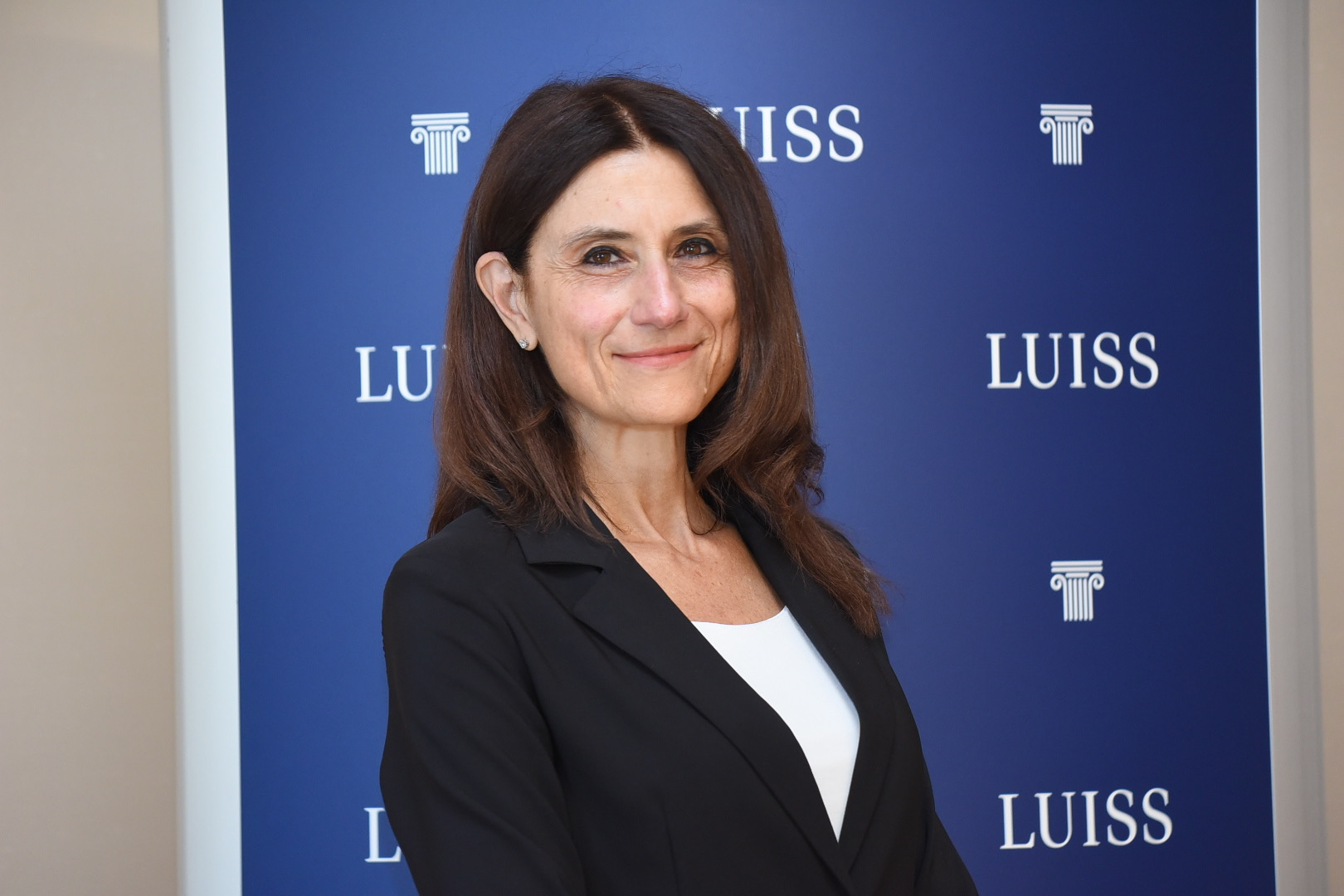
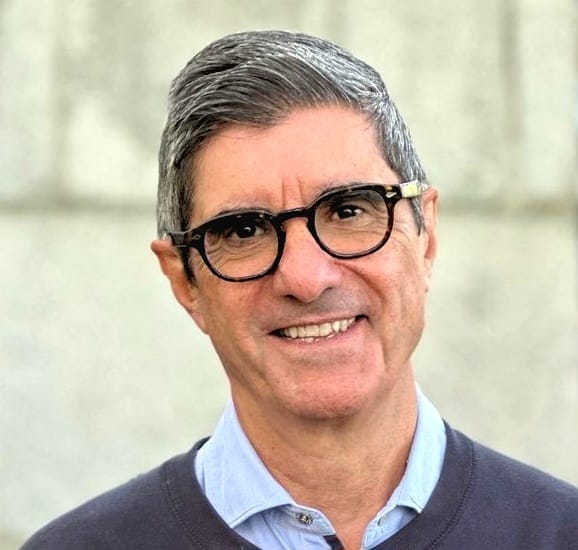
Scientific board
Jeremy Caplan

Sree Sreenevisan
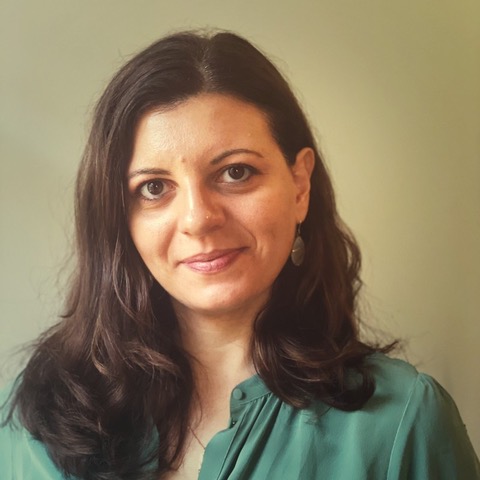
Costanza Sciubba Caniglia
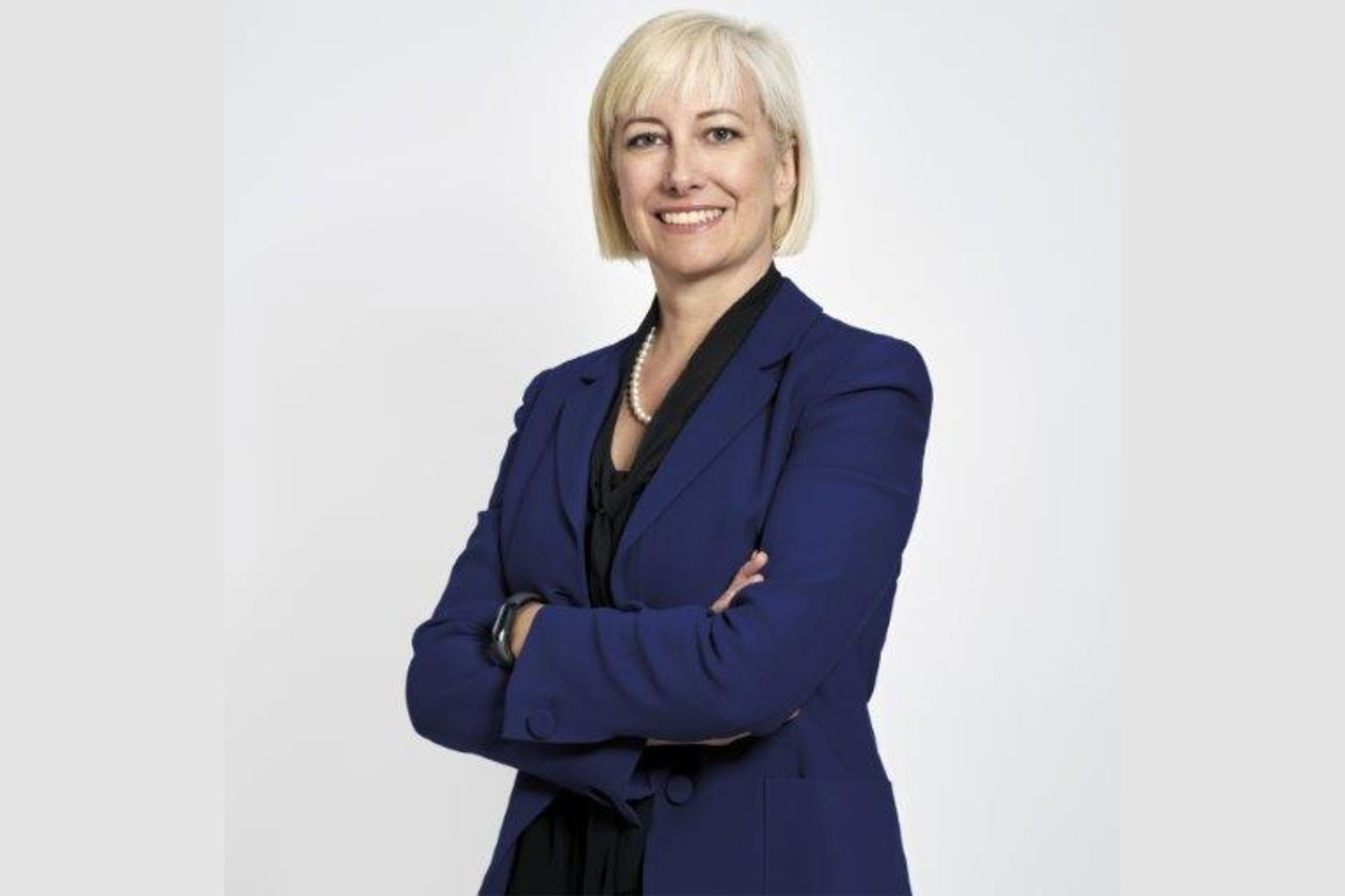
Paola Bonomo
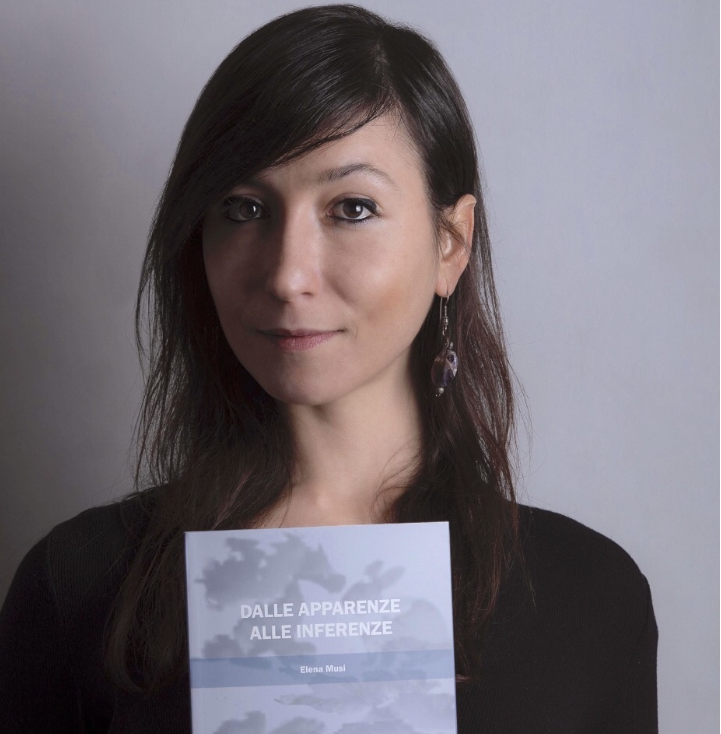
Elena Musi
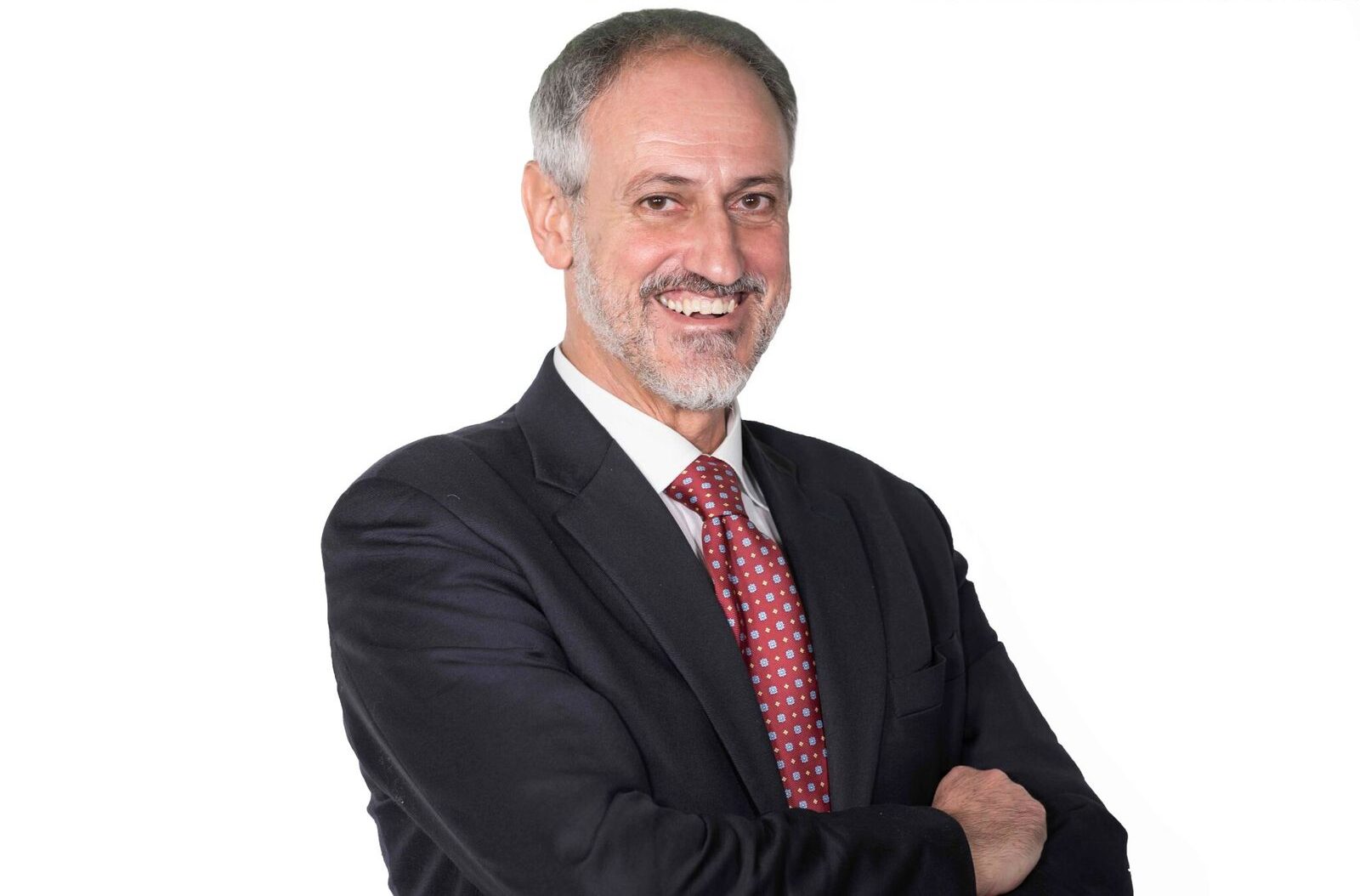
Giuseppe Italiano
Maurizio Molinari
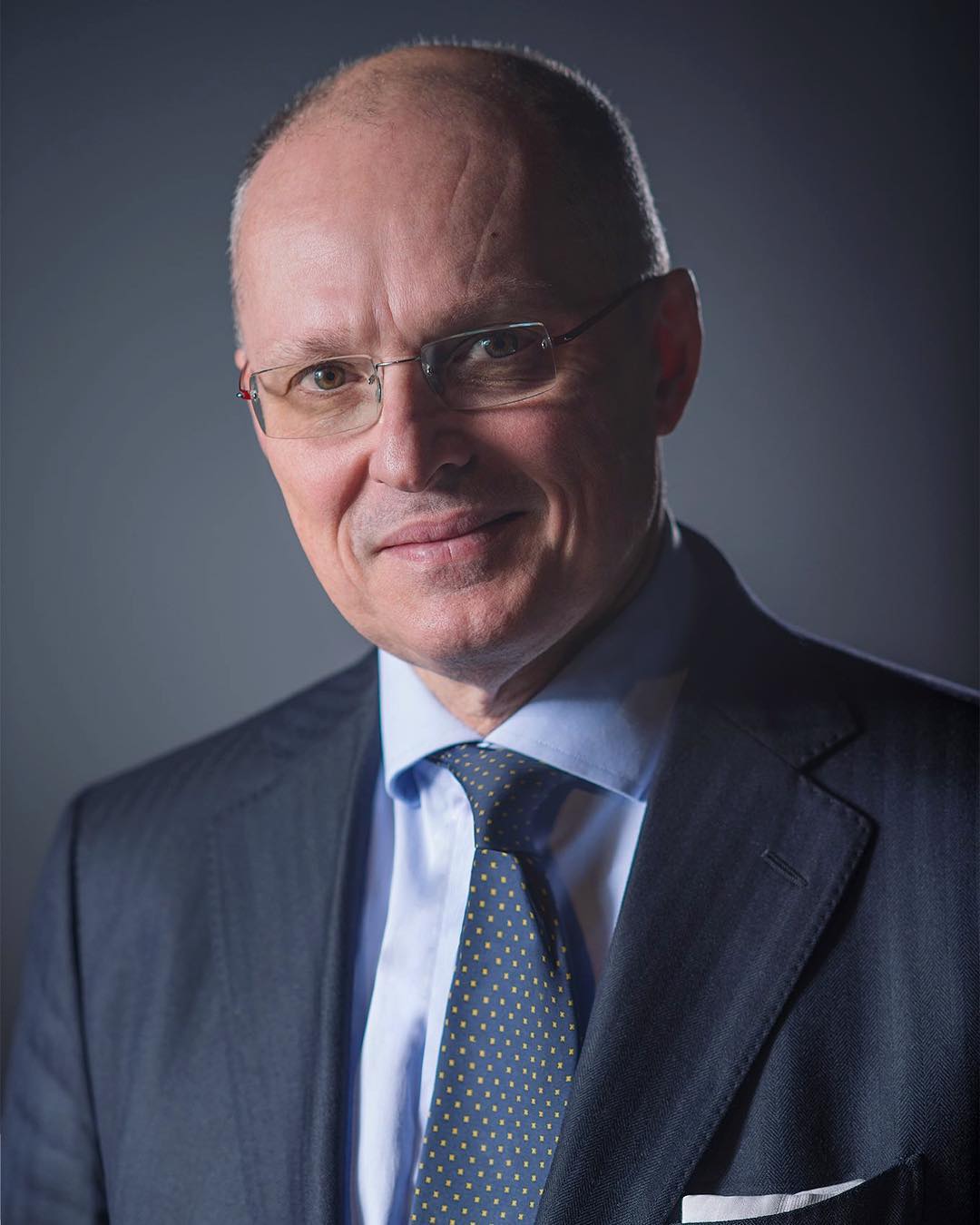
Walter Ricciardi
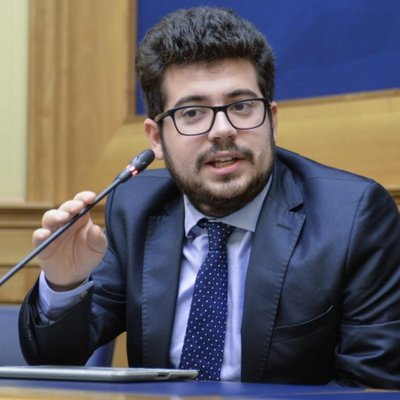
Francesco Seghezzi
Team
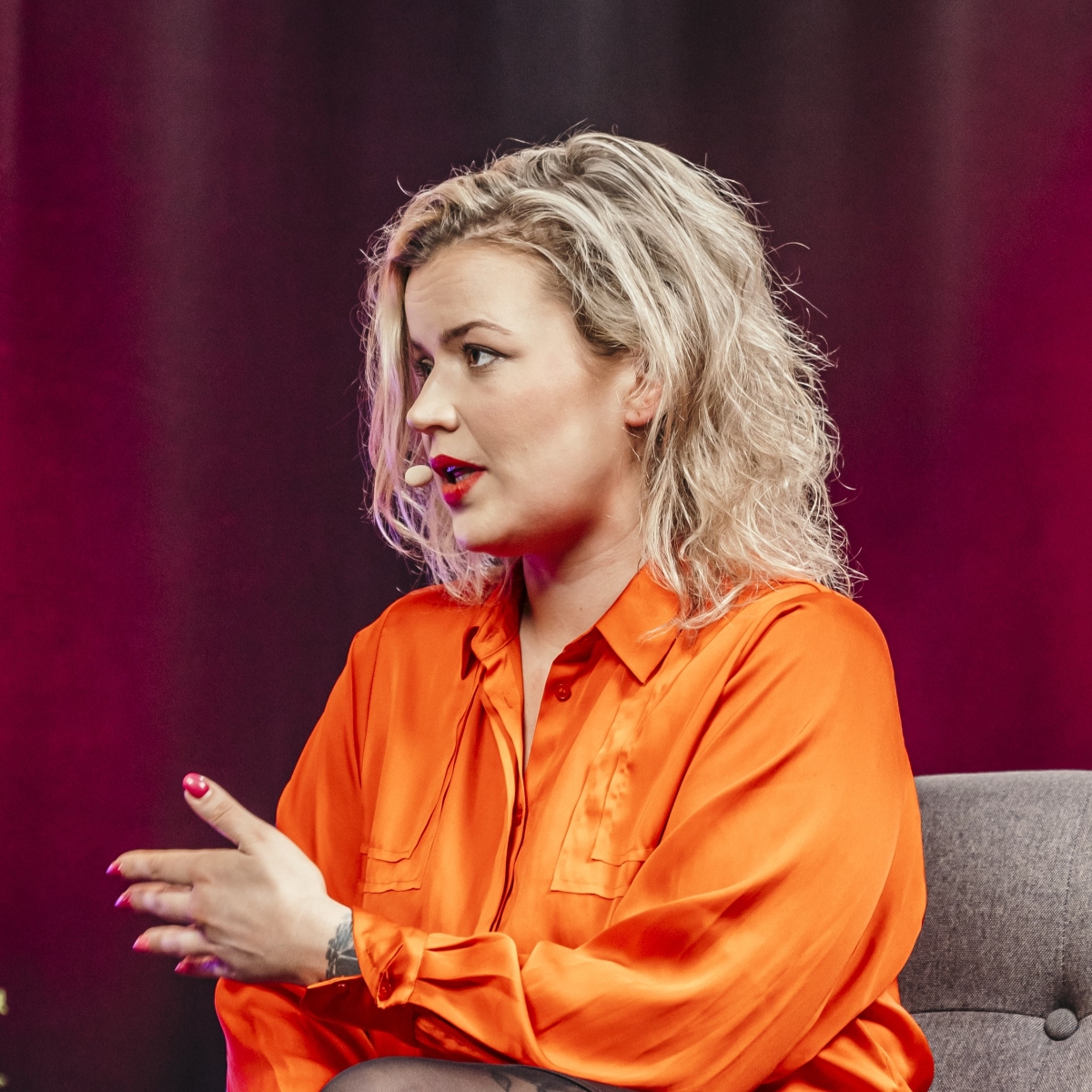
Maia Klaassen
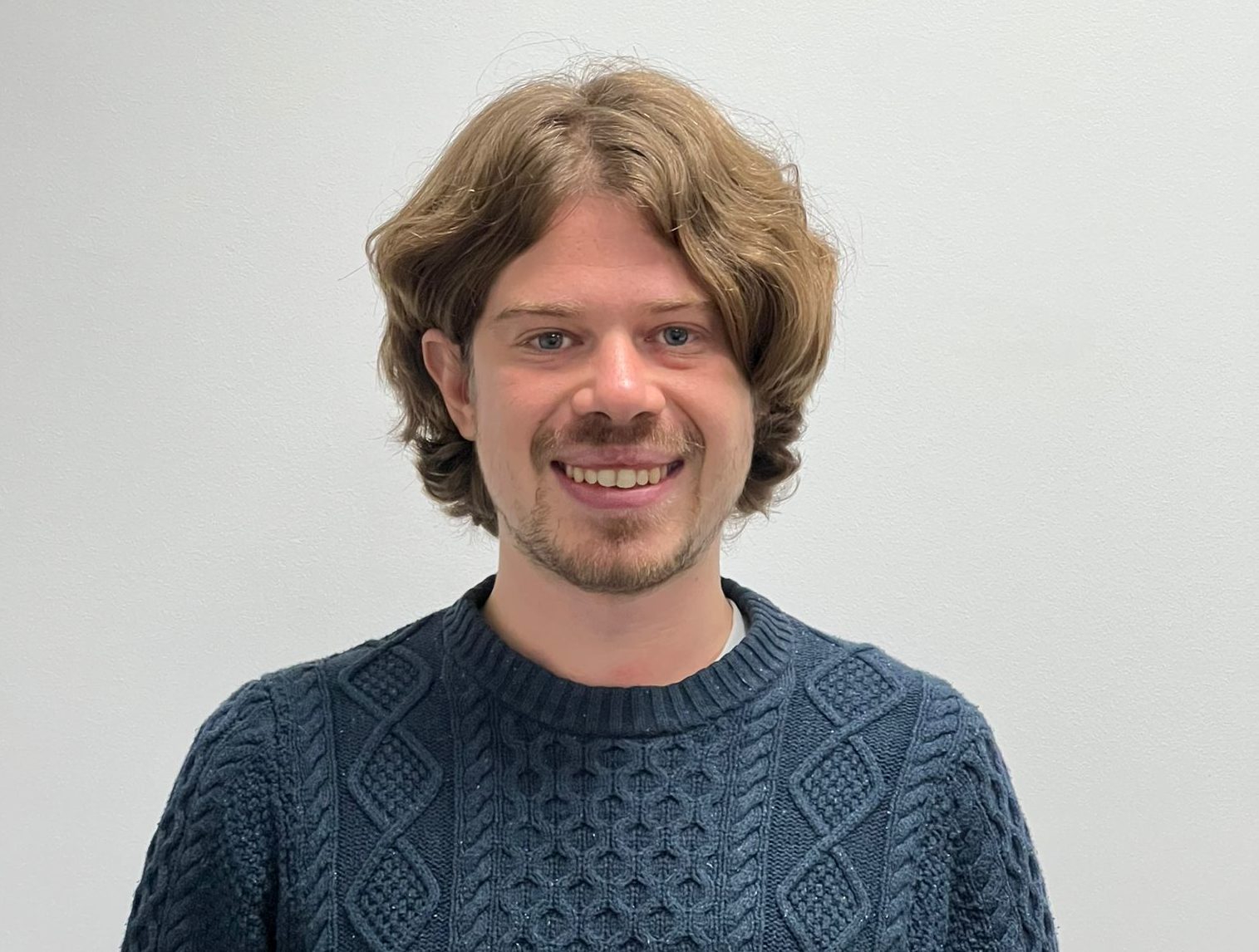
Gennaro Tortorelli
Elena Di Gianfilippo

Domenico Cangemi

Francesco Salate Santone
Chiara Sgreccia
Mahya Karbalaii
Mariagiulia Porcelli
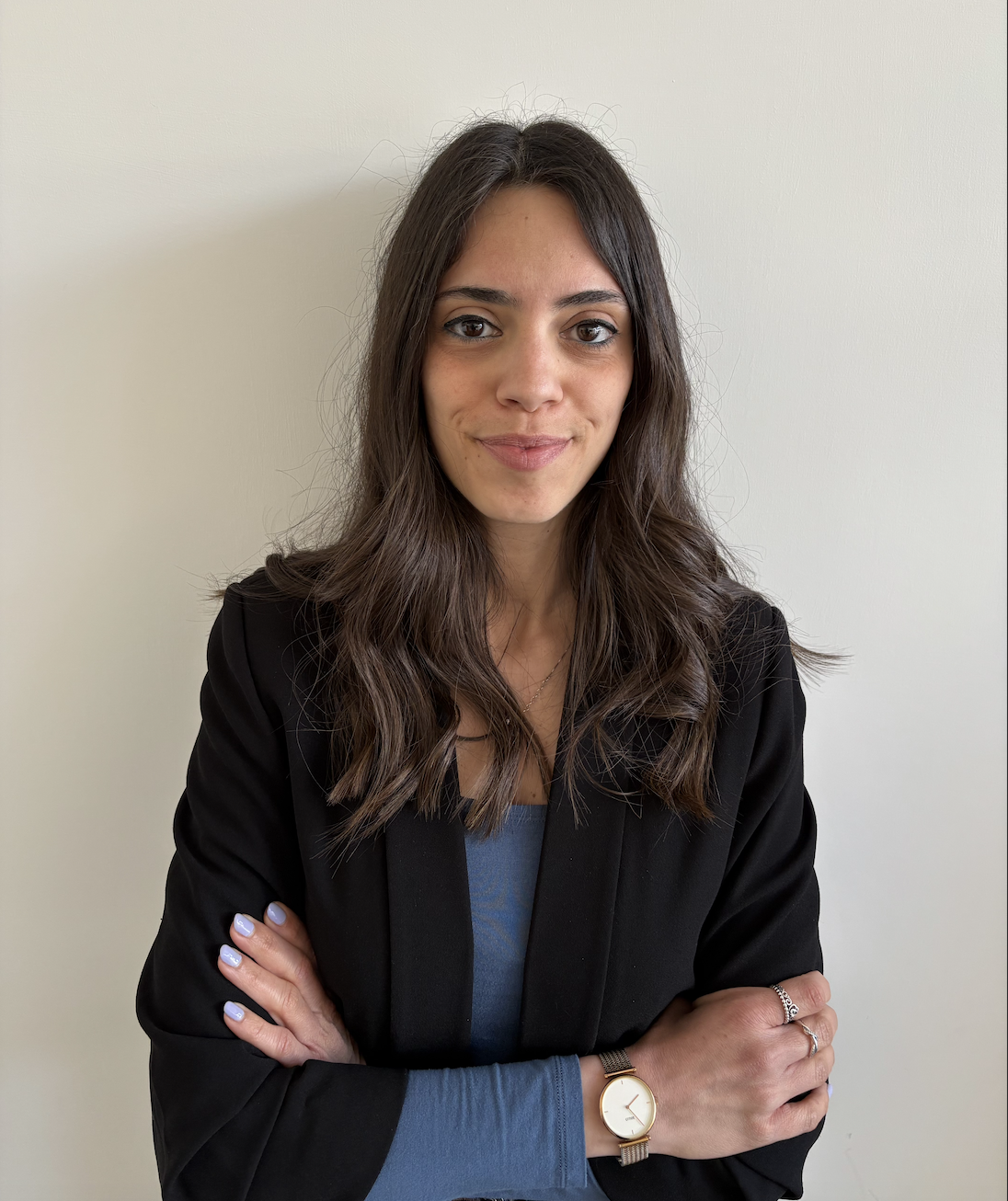
Emerenziana Sinagra
Network
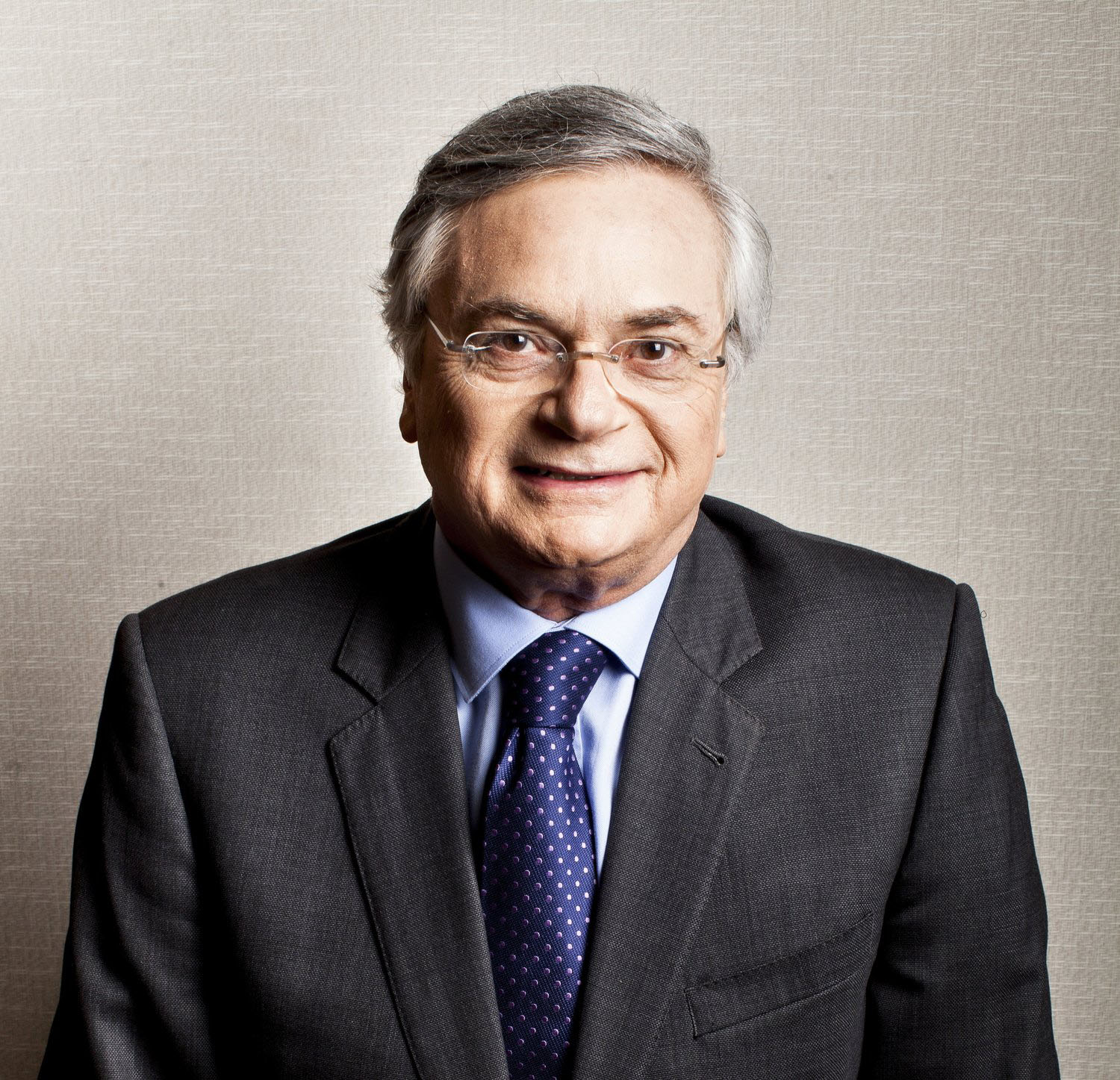
Moises Naim
Roberto Viola
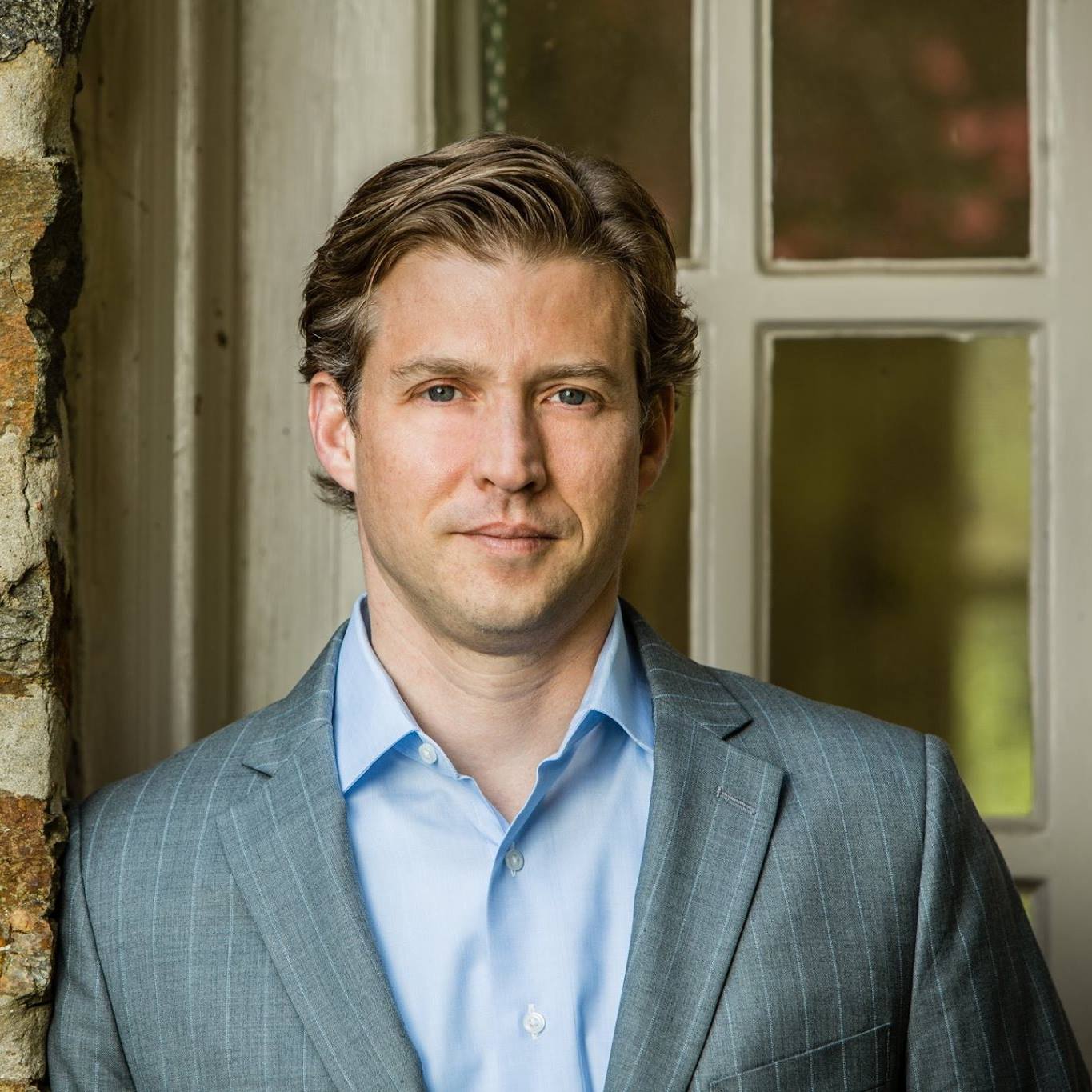
Alec Ross
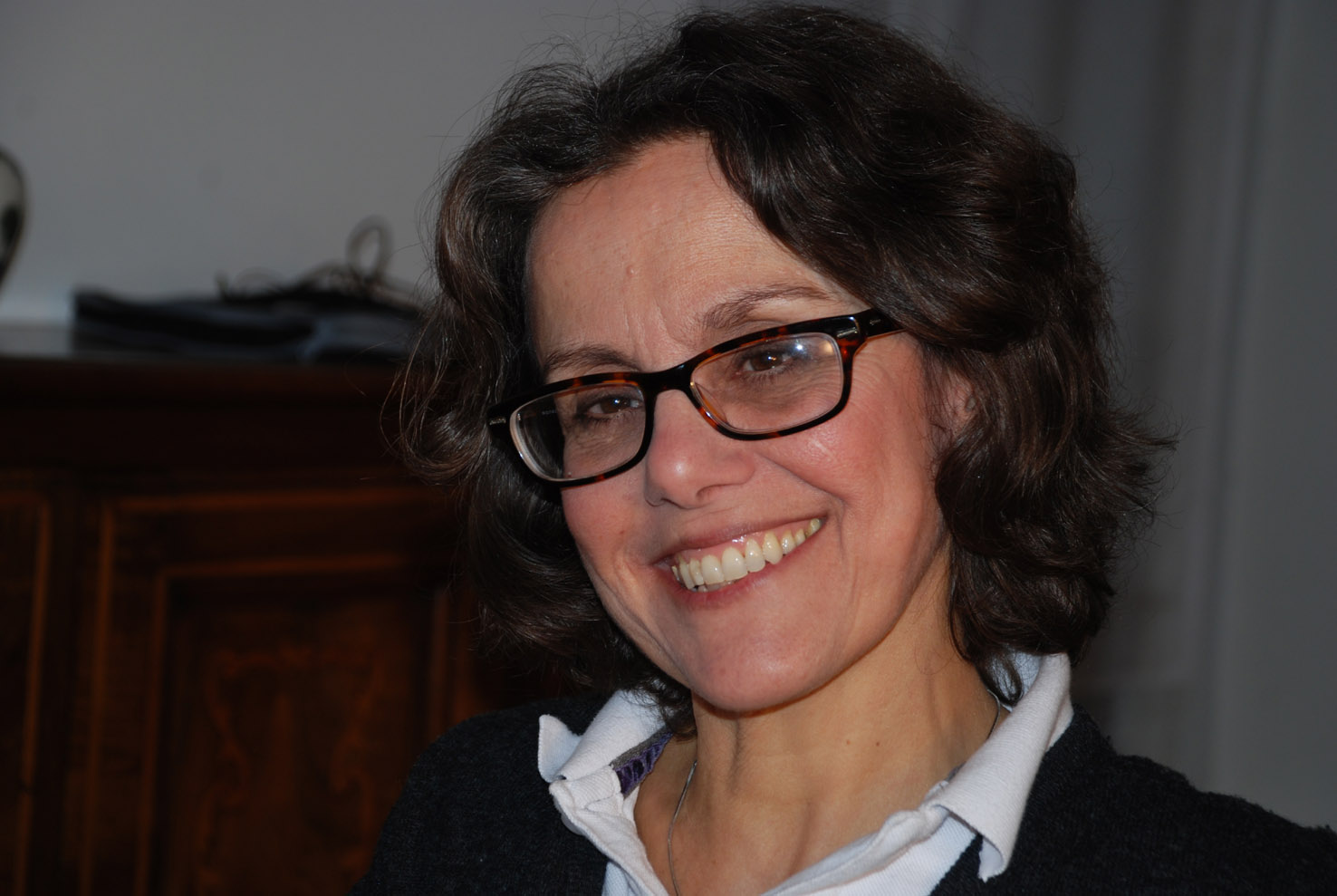
Franca D’Agostini
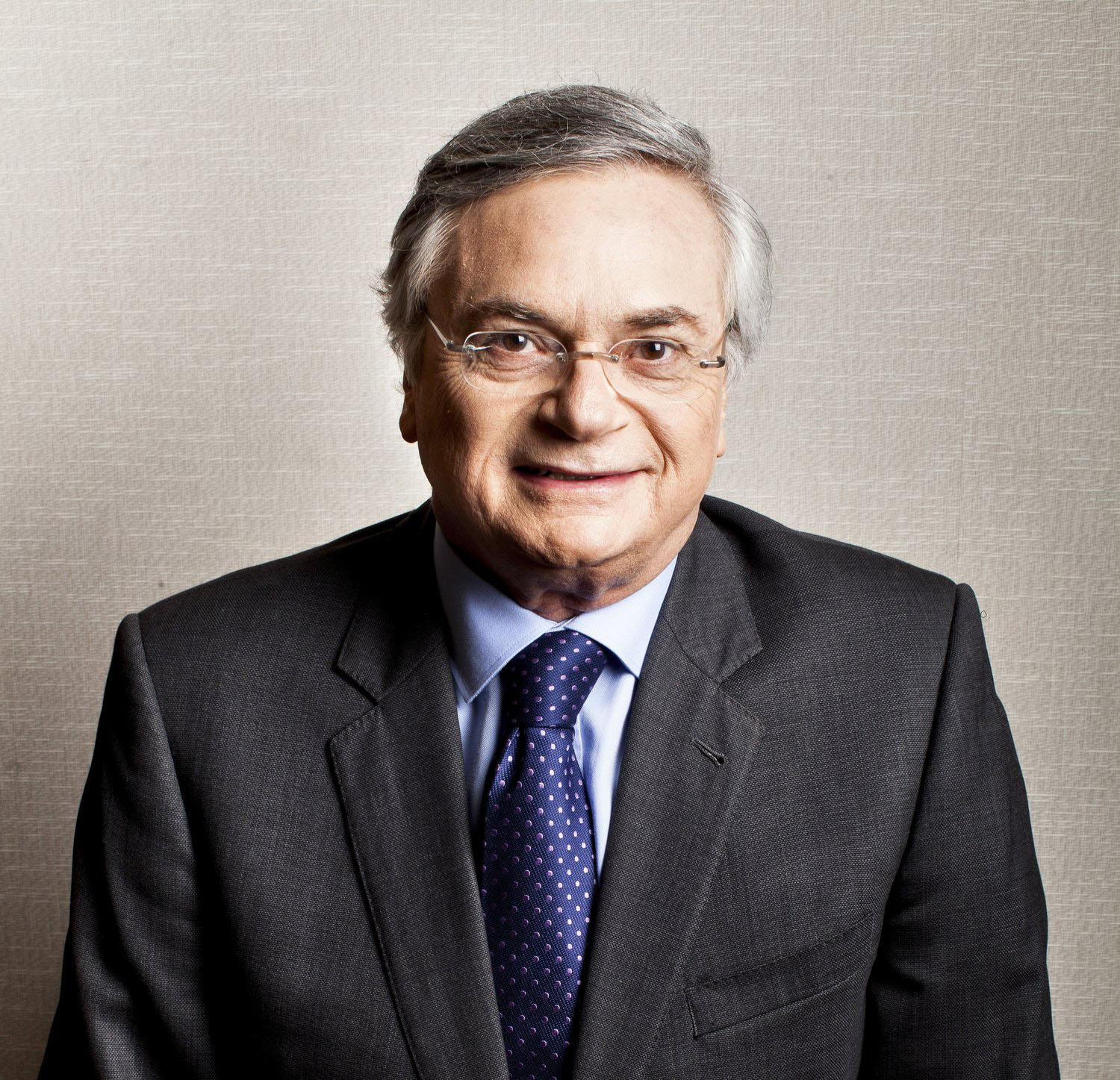
Moises Naim
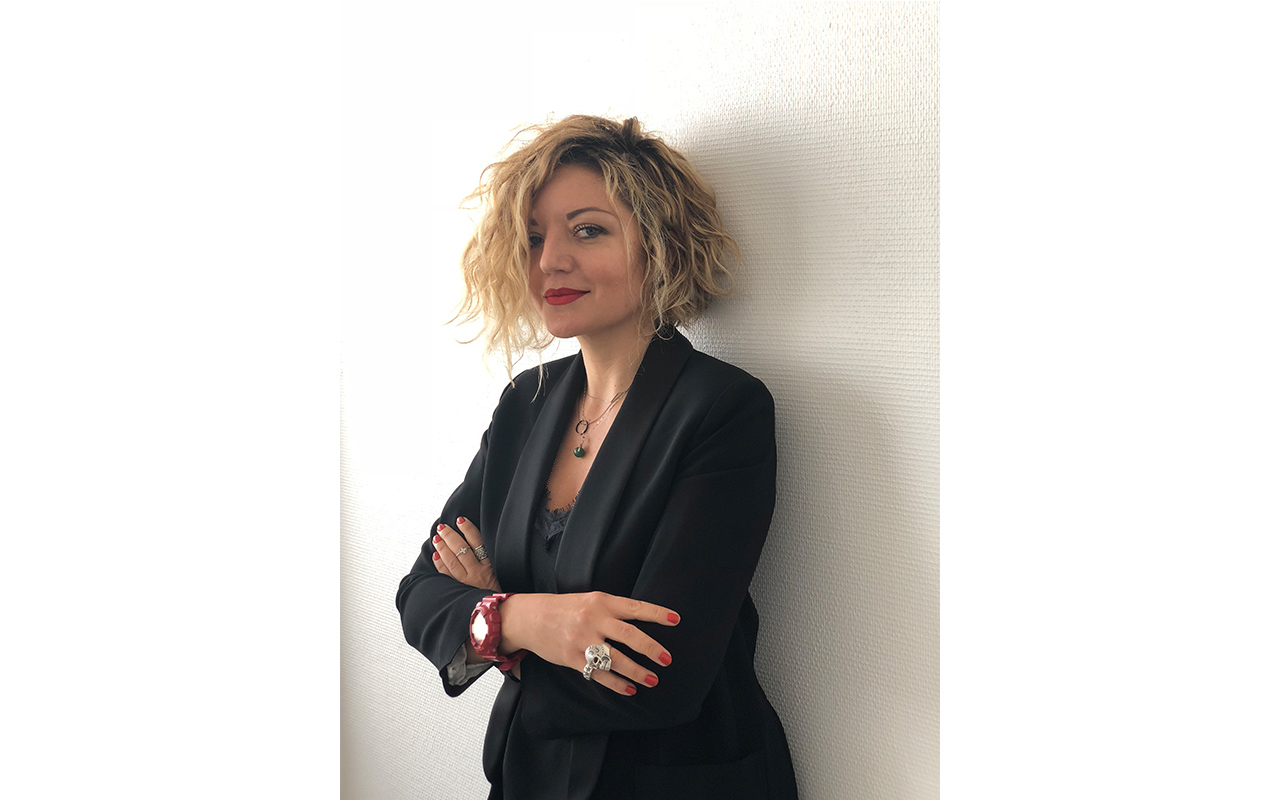
Vittoria Colizza
Vittoria Colizza